
Have you ever wondered about how to care for your tooth after a root canal? While most people experience a sense of relief once the procedure is done, aftercare of the treated tooth is important for both healing and long-term success. Below are root canal aftercare tips in order to keep your smile healthy and bright after treatment.
Understanding After A Root Canal
Here, we discuss what happens after a root canal has been completed. During a root canal procedure, all the infected pulp in the tooth is removed, and the space is cleaned and sealed. This relieves pain and saves a tooth, but it does not guarantee that the tooth is healed immediately, and there are still steps to take after the root canal to protect the treated area and ensure healing.
The first few days are probably the most important. You may have some soreness or sensitivity, but this will probably improve with a little time. Taking care of your teeth during the first few days after the procedure can help prevent problems and help with the healing process.
Avoid Eating On The Treated Side At First
One of the best things to do once your root canal is completed is to avoid chewing on the treated side until you are a little further along in the healing process. Remind yourself that the tooth could still be fragile, especially if you have not been given a new crown yet. Eating hard or sticky foods could damage the tooth and cause discomfort.
As stated above, for a few days after the procedure, stick with soft foods. Soups, smoothies, and scrambled eggs are all easy on your soft, healing teeth. Steer clear of foods that may need too much biting pressure or chewing.
Keep Up With Daily Oral Hygiene
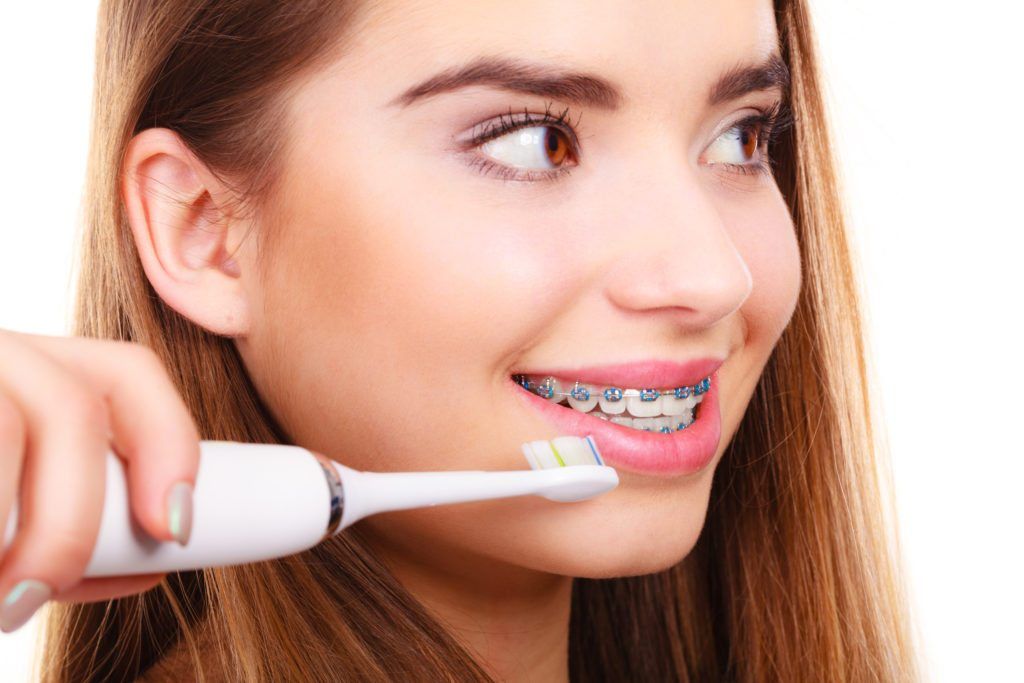
Good oral hygiene is always important, but it becomes even more necessary after a root canal. Brushing and flossing twice a day will keep the surrounding teeth clean and help prevent further infections. Be gentle around the treated area for the first few days, especially if you are still sore.
Using a soft-bristled toothbrush and non-alcoholic mouthwash can be helpful. If you’re not sure what to use, your dentist can recommend safe products. Staying on top of your daily routine supports healing and keeps your mouth healthy overall.
Watch For Signs Of Infection Or Problems
Though rare, problems can sometimes happen after a root canal. Being aware of warning signs can help you take quick action if needed. Call your dentist if you notice swelling, constant pain, a bad taste in your mouth, or signs of infection such as fever.
Knowing what to do after root canal complications is important. If the temporary filling comes loose or you experience sudden pain, do not wait. Seeing your dentist quickly can prevent further damage and keep your treatment on track.
Follow-Up Appointments Are Important
It is important to return to your dentist in Kitchener for all follow-up appointments. Your dentist will check your healing, make sure the tooth is staying healthy, and decide when to place a crown if needed. A permanent crown is often recommended after a root canal to protect the tooth and restore its full strength.
Skipping these appointments can delay healing or lead to issues that could have been avoided. Staying in touch with your dentist throughout the process makes sure everything stays on the right path.
Reduce Stress On The Tooth With Careful Habits
Below, you’ll find simple habits that can protect your treated tooth. Avoid chewing on pens, biting fingernails, or using your teeth to open packages. These actions may seem small, but they can cause damage, especially to a tooth that is healing.
If you grind your teeth at night, consider wearing a mouthguard. Grinding places extra pressure on your teeth, and protecting them with a guard can help prevent cracks or wear. Your dentist may recommend a custom guard if needed.
Stick To A Balanced And Healing-Friendly Diet
What you eat during recovery matters. Choose foods that support healing, such as fruits, vegetables, and sources of calcium. Stay away from sugary drinks and snacks that can attract bacteria and weaken enamel.
Drinking plenty of water also helps keep your mouth clean and supports overall health. The better your body feels, the faster it can recover from any treatment, including a root canal.
Take Pain Relief As Directed
Mild pain or soreness after a root canal is normal and usually managed easily with over-the-counter medicine. Your dentist may suggest acetaminophen or ibuprofen to reduce pain and inflammation. Be sure to follow the dosage instructions and avoid taking too much.
If pain becomes severe or does not go away after a few days, you should contact your dentist. It might be a sign that something needs to be checked.
Protect Your Tooth And Smile With Long-Term Care
Once your tooth has healed, it’s important to protect your dental work for years to come. Brushing, flossing, and regular visits to your dentist all help to maintain the health of your restored tooth. With good care, a tooth that has had a root canal can last a lifetime.
If you continue to treat your teeth with care, you’ll enjoy strong, healthy smiles without future problems. Prevention is always better than repair.
Start Your Healing Journey With The Right Dental Team
If you’ve recently had a root canal or expect to have one soon, taking proper care of your tooth afterward is key. At Frederick Dental, we’re here to guide you through every step of the healing process. Whether you need more advice, routine checkups, or expert care, our experienced team is ready to help.
To get started with a trusted dentist, contact us today. We encourage you to book an appointment and take the next step toward a healthier smile. Your comfort and recovery are our top priority—visit Frederick Dental and experience care you can count on.