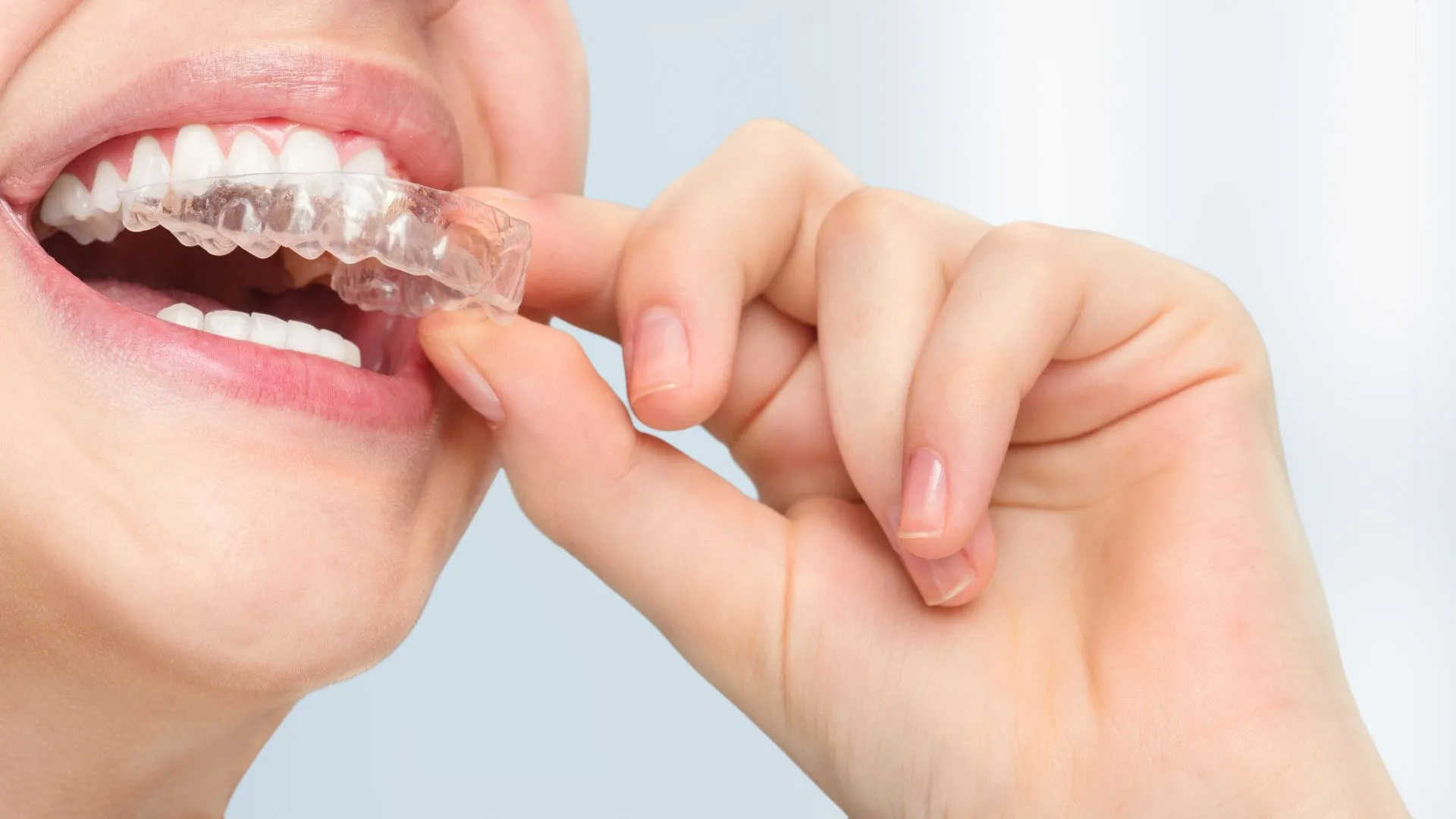
Invisalign is known for being a convenient and discreet way to straighten teeth. Many patients choose it because it fits easily into daily life while still delivering effective orthodontic results. However, some patients are surprised when treatment takes longer than originally estimated. In most cases, delays are not caused by the technology itself but by lifestyle factors, tooth response, or treatment complexity.
At Frederick Dental, patients often ask how they can stay on track with treatment timelines. If you are considering Invisalign in Kitchener, understanding what can slow treatment down and how to prevent delays can help you achieve the best possible results on schedule.
How Invisalign Treatment Timelines Are Estimated
When starting Invisalign, your dentist creates a digital treatment plan that maps how teeth are expected to move over time. These timelines are based on average tooth movement and ideal patient compliance.
However, every patient is different. Teeth may respond slightly faster or slower depending on biology, habits, and consistency in aligner wear.
A trusted Dentist in Kitchener will explain that timelines are estimates, not guarantees, because real-life factors can influence progress.
The Most Common Reason for Invisalign Delays: Inconsistent Wear
Aligners must typically be worn 20 to 22 hours per day. Removing them too often is the most common reason treatment takes longer than expected.
When aligners are not worn enough:
- Teeth may not move as planned
- New aligners may not fit properly
- Additional refinement trays may be required
- Treatment time may increase
Patients receiving treatment at a Dental Clinic Kitchener provider are usually given detailed instructions to help avoid these issues.
Skipping or Extending Aligner Changes
Some patients switch aligners too early, while others wear them longer than instructed. Both can affect treatment progress.
Switching too early may prevent teeth from completing the intended movement. Waiting too long can slow overall progress. Following the recommended schedule is essential for predictable results.
Lost or Damaged Aligners
Losing aligners or damaging them can interrupt treatment and cause delays while replacements are made. Even missing a few days can affect tooth tracking.
Patients can reduce this risk by:
- Always using an aligner case
- Keeping aligners away from heat
- Avoiding wrapping aligners in napkins during meals
Small habits help protect treatment progress.
Tooth Movement Varies From Person to Person
Every patient’s body responds differently to orthodontic treatment. Factors such as bone density, age, and gum health can influence how quickly teeth move.
Some patients naturally require slightly longer treatment times even with perfect compliance. This is normal and does not mean treatment is failing.
Your Dentist Kitchener provider will monitor progress and adjust treatment if needed.
Complex Cases May Require Refinements
Some orthodontic cases require additional aligners near the end of treatment. These refinement trays help fine-tune alignment and ensure the best possible final result.
Refinements are common and are often part of achieving optimal outcomes, especially for more complex alignment or bite corrections.
Attachments and Elastics Play an Important Role
Some Invisalign treatments require small tooth-coloured attachments or elastics to help guide movement.
Not wearing elastics as directed or removing attachments prematurely can slow treatment progress. Following all instructions helps keep treatment moving efficiently.
Missed Appointments Can Affect Progress
Regular monitoring allows your dentist to track tooth movement and make necessary adjustments. Missing appointments can delay important treatment updates.
A reliable Dentist in Kitchener will schedule checkups to ensure treatment stays on track and problems are caught early.
How to Avoid Invisalign Treatment Delays
Patients can significantly improve treatment timelines by following simple habits.
Wear Aligners Consistently
Aim for 20 to 22 hours of daily wear. Remove aligners only for eating, drinking anything other than water, and oral hygiene.
Follow Aligner Change Schedules
Switch aligners exactly as instructed to maintain steady tooth movement.
Protect Your Aligners
Always store aligners safely and avoid situations where they could be lost or damaged.
Attend All Scheduled Visits
Regular checkups allow your provider to confirm progress and adjust treatment if necessary.
Maintain Good Oral Health
Healthy gums and teeth support efficient tooth movement and treatment success.
Why Professional Monitoring Matters
Even with advanced technology, Invisalign treatment requires professional oversight. A provider experienced with Invisalign in Kitchener will monitor tooth tracking, adjust treatment if needed, and provide guidance to help you stay compliant.
At Frederick Dental, treatment planning focuses on realistic timelines, patient education, and personalized care. This helps reduce unexpected delays and supports successful outcomes.
What to Do If You Think Your Treatment Is Delayed
If aligners feel loose, tight in an unusual way, or if you missed significant wear time, contact your dental provider. Early adjustments can often prevent larger delays.
Open communication helps ensure treatment stays as efficient as possible.
Staying on Track With Invisalign Treatment
Invisalign technology is advanced and highly precise. However, treatment success depends on consistency, communication, and following professional instructions.
Patients who stay compliant and attend regular visits often complete treatment close to their original timeline.
Schedule an Invisalign Consultation at Frederick Dental
If you are considering Invisalign or want to ensure your current treatment stays on track, Frederick Dental is here to help. Our team provides personalized Invisalign treatment designed to fit your lifestyle while supporting predictable results.
Contact a trusted Dentist in Kitchener today to schedule a consultation and learn how Invisalign treatment can help you achieve a healthier, straighter smile with minimal disruption to your daily routine.