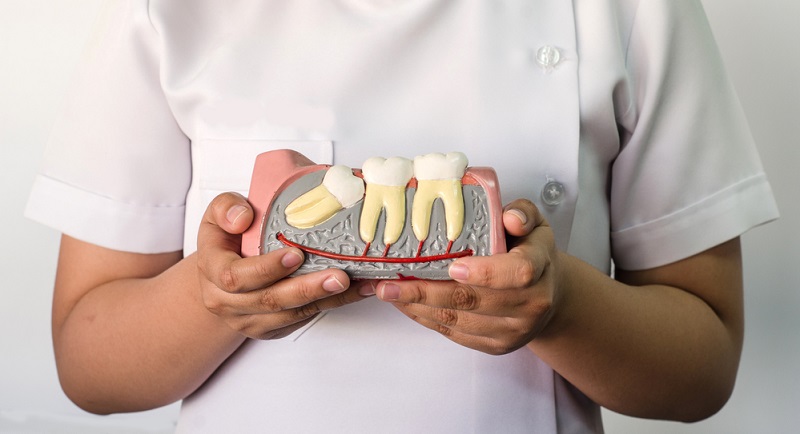

Dental crowns are one of the most reliable and commonly recommended restorative dental treatments. Whether a tooth is weakened, damaged, or heavily filled, a crown can help restore strength, function, and appearance. However, many patients feel unsure about what the process involves and how long it takes.
At Frederick Dental, we believe clarity and transparency help patients feel more comfortable with their care. This guide walks you through the dental crown procedure step by step, from your initial consultation to the final placement, so you know exactly what to expect when visiting a Dentist in Kitchener.
What Is a Dental Crown?
A dental crown is a custom-made cap designed to fully cover a damaged or weakened tooth. It restores the tooth’s shape, size, strength, and appearance while protecting it from further damage.
Crowns are commonly recommended when:
- A tooth has a large cavity
- A tooth is cracked or fractured
- A tooth has undergone root canal treatment
- A tooth is severely worn down
- A filling is too large to support the tooth
- A cosmetic improvement is needed
Crowns can be made from different materials, including porcelain, ceramic, metal, or a combination, depending on location and function.
Step 1: The First Visit Examination and Planning
Your crown journey begins with a consultation at Frederick Dental.
Comprehensive Assessment
During your first appointment, your dentist will:
- Examine the affected tooth
- Review X-rays to assess root and bone health
- Check your bite and surrounding teeth
- Confirm whether a crown is the most appropriate option
Not every damaged tooth needs a crown. Your Kitchener Dentist will recommend this treatment only if it is suitable for long-term tooth preservation.
Discussing Crown Options
Your dentist will explain:
- Suitable crown materials
- Expected timeline
- Care requirements
- Any alternative treatment options
This shared decision-making approach ensures you feel informed and confident moving forward.
Step 2: Tooth Preparation
If a crown is recommended, the next step is preparing the tooth.
What Happens During Preparation?
- The tooth is carefully reshaped to allow space for the crown
- Any decayed or weakened structure is removed
- Local anesthesia is used to maintain comfort
The amount of shaping depends on the tooth’s condition and the crown material being used.
Impressions or Digital Scans
Once the tooth is prepared, your dentist takes impressions or digital scans. These are used to create a crown that fits precisely with your natural bite and surrounding teeth.
Step 3: Temporary Crown Placement
Because custom crowns are fabricated outside the clinic, a temporary crown is placed to protect the tooth.
Purpose of a Temporary Crown
- Protects the prepared tooth
- Maintains proper spacing
- Allows normal function between visits
Temporary crowns are not as strong as permanent ones, so patients are usually advised to avoid very hard or sticky foods during this stage.
Step 4: Crown Fabrication
Your custom crown is created in a dental laboratory using your impressions or scans.
Precision and Fit
This process ensures:
- Accurate bite alignment
- Natural appearance
- Proper contact with adjacent teeth
Crowns are built to blend seamlessly with your smile in both colour and contour.
Step 5: Final Visit Crown Placement and Fit
Once your permanent crown is ready, you’ll return to Frederick Dental for placement.
Removing the Temporary Crown
The temporary crown is removed, and the tooth is cleaned.
Trial Fit and Adjustments
Your dentist checks:
- Fit and comfort
- Bite alignment
- Shape and appearance
Minor adjustments are made if needed to ensure a natural feel.
Cementing the Crown
When everything fits correctly, the crown is permanently secured using dental cement. Your dentist will confirm your bite one final time before completing the procedure.
After the Crown Is Placed: What to Expect
Most patients adapt quickly to their new crown.
Sensitivity
Mild sensitivity to temperature is normal initially and often resolves on its own.
Eating and Chewing
Normal function typically resumes immediately, though care is advised until numbness fully fades.
Long-Term Durability
With proper care, dental crowns can last many years.
Caring for Your Dental Crown
Crowns do not require special products, but good oral hygiene is essential.
Daily Care Tips
- Brush twice daily with fluoride toothpaste
- Floss carefully around the crown
- Avoid using teeth to open packages or bite hard objects
Dental Checkups
Routine visits allow your Dentist Kitchener provider to check crown integrity and surrounding gum health.
How Long Do Dental Crowns Last?
On average, crowns last 10–15 years, sometimes longer, with proper care. Longevity depends on:
- Oral hygiene habits
- Grinding or clenching
- Crown location
- Diet and lifestyle
Night guards may be recommended if you grind your teeth during sleep.
A Local Perspective for Patients in Kitchener
Patients visiting a Dental Clinic in Kitchener often choose crowns because they provide reliable restoration while preserving natural teeth. Whether restoring function or enhancing appearance, crowns play an important role in long-term dental health for many families in the community.
When to Contact Your Dentist
You should contact Frederick Dental if you notice:
- Persistent discomfort
- A loose or damaged crown
- Sensitivity that worsens over time
- Gum irritation around the crown
Early attention helps prevent complications.
Final Thoughts
The dental crown procedure is a well-established treatment designed to restore and protect damaged teeth. Understanding each step from the first visit to the final fit can make the process feel less intimidating and more manageable.
If you believe you may need a crown or have questions about your treatment options, seeking professional guidance is the best next step.
Book Your Appointment at Frederick Dental
If you’re looking for a trusted Dentist in Kitchener to evaluate tooth damage or discuss dental crown treatment, Frederick Dental is here to help.
Contact our Dental Clinic in Kitchener today to schedule your consultation and receive personalized, patient-focused care.