
Losing a tooth can affect more than just your smile. It can change how you chew, speak, and feel about your appearance. Today, patients have several tooth replacement options, but one of the most common questions is which solution truly lasts the longest. Understanding the durability of each option helps you make a confident, long-term decision for your oral health.
At Frederick Dental, patients often ask how dental implants in Kitchener compare with other tooth replacement options. This guide explains the differences, expected lifespan, and long-term value of each choice, so you can decide what works best for your needs with the support of a trusted Kitchener dentist.
Why Tooth Replacement Matters
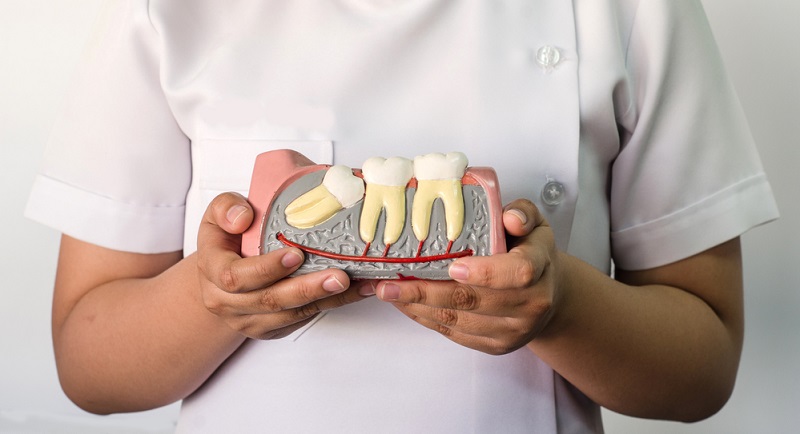
When a tooth is missing, the surrounding teeth and jawbone are affected over time. Adjacent teeth may shift, bite balance can change, and bone loss can begin in the space. Replacing a missing tooth is not only about appearance but also about preserving oral function and long-term stability.
Different replacement options address these concerns in different ways, which directly impacts how long they last.
Overview of Common Tooth Replacement Options
The most common tooth replacement solutions include
• Dental implants
• Dental bridges
• Partial dentures
• Full dentures
Each option has unique benefits and limitations, especially when it comes to durability.
Dental Implants: A Long-Term Solution
Dental implants are widely considered the most durable tooth replacement option available today. An implant consists of a small titanium post placed into the jawbone, which acts as an artificial tooth root. A crown is then placed on top to restore appearance and function.
How long do dental implants last
With proper care, dental implants can last decades and often a lifetime. The implant itself integrates with the jawbone, creating a stable foundation that does not rely on neighbouring teeth for support.
The crown attached to the implant may need replacement after many years due to normal wear, but the implant post is designed for long-term use.
Why implants last longer
Dental implants
• Stimulate the jawbone and prevent bone loss
• Do not affect adjacent teeth
• Provide strong bite force and stability
• Are resistant to decay
For patients seeking a lasting solution, dental implants offer exceptional longevity and function.
Dental Bridges: A Reliable but Limited Lifespan
Dental bridges replace a missing tooth by anchoring an artificial tooth between two neighbouring teeth. These adjacent teeth are reshaped to support the bridge.
Expected lifespan of dental bridges
On average, dental bridges last about ten to fifteen years. Their longevity depends on oral hygiene, bite forces, and the health of the supporting teeth.
Limitations of bridges
While bridges restore appearance and chewing ability, they rely on natural teeth for support. This can place additional stress on those teeth over time. Bridges also do not prevent bone loss beneath the missing tooth area.
For some patients, bridges are a practical solution, but they typically do not last as long as implants.
Partial Dentures: A Removable Option
Partial dentures are removable appliances that replace one or more missing teeth. They rest on the gums and may use clasps for support.
How long do partial dentures last
Partial dentures generally last five to eight years before needing replacement or adjustment. Changes in gum shape and bone structure can affect their fit over time.
Considerations for durability
Because partial dentures are removable, they are more prone to wear and movement. They also do not prevent bone loss in the jaw. While they are more affordable initially, they often require ongoing adjustments.
Full Dentures: Replacing Multiple Teeth
Full dentures are used when all teeth in an arch are missing. They sit on the gums and rely on suction or adhesive for stability.
Lifespan of full dentures
Full dentures usually last five to ten years. Over time, bone loss and gum changes can cause dentures to feel loose or uncomfortable.
Long-term challenges
Dentures do not stimulate the jawbone, leading to gradual bone loss. This can affect facial appearance and denture fit. While dentures restore basic function, they are not the most durable option.
Comparing Longevity Side by Side
When comparing how long each option lasts, the differences become clear.
Dental implants offer the longest lifespan and stability. Bridges provide moderate durability but rely on surrounding teeth. Dentures offer a removable solution but require replacement more frequently due to bone and gum changes.
For patients prioritizing longevity, dental implants are often the preferred choice.
Factors That Influence How Long Tooth Replacements Last
Regardless of the option chosen, several factors affect durability.
Oral hygiene habits
Consistent brushing, flossing, and professional cleanings support long-term success for all restorations.
Bite alignment and grinding
Excessive bite forces or teeth grinding can shorten the lifespan of crowns, bridges, and dentures. Protective appliances may be recommended in some cases.
Overall oral health
Healthy gums and bone are essential for any tooth replacement to last. Regular dental visits allow early detection of issues that could affect longevity.
Are Dental Implants Right for Everyone
While dental implants offer the longest-lasting results, they are not suitable for every patient. Adequate bone density and good overall health are important considerations.
A consultation with a Kitchener dentist helps determine whether implants are appropriate or if another option may be better based on individual circumstances.
Long-Term Value Beyond Lifespan
Durability is important, but so is overall value. Dental implants often have a higher initial cost, but their longevity and minimal maintenance can make them more cost-effective over time compared to options that require frequent replacement or adjustment.
Patients who choose implants often value
• Improved comfort and confidence
• Stable chewing ability
• Preservation of jawbone health
• Natural appearance
Why Professional Guidance Matters
Choosing a tooth replacement option is a long-term decision. A trusted dental clinic in Kitchener evaluates not only the missing tooth but also bite alignment, bone health, and future oral health needs.
Personalized treatment planning ensures that the chosen solution supports both durability and overall well-being.
Final Thoughts
When comparing dental implants with other tooth replacement options, implants consistently stand out as the longest-lasting solution. Their ability to integrate with the jawbone, preserve surrounding structures, and provide stable function makes them a preferred choice for many patients.
However, the best option depends on individual needs, health factors, and goals. Understanding the differences allows you to make a confident decision about restoring your smile.
Schedule a Tooth Replacement Consultation in Kitchener
If you are considering dental implants in Kitchener or want to explore other tooth replacement options, the team at Frederick Dental is here to help. We provide thorough evaluations and personalized recommendations focused on long term oral health.
Call 519-513-4550 to book a consultation with a trusted Kitchener dentist and learn which tooth replacement option is best suited for your smile and lifestyle.