
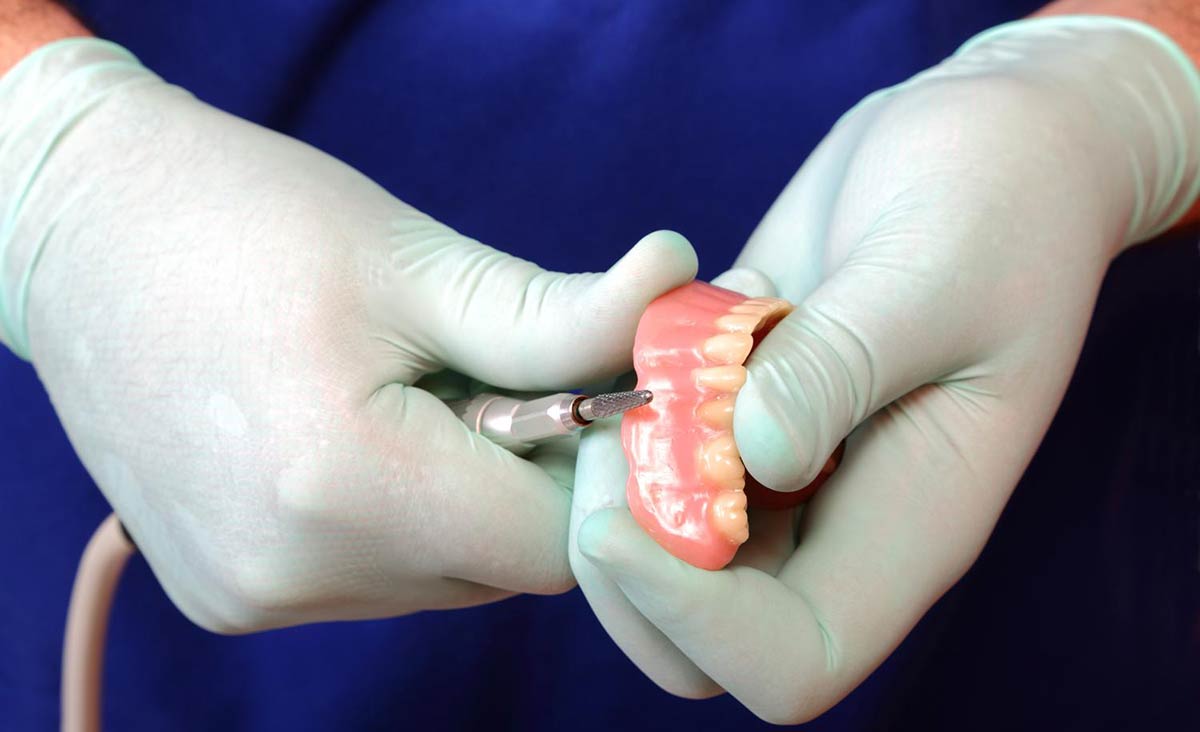
Getting new dentures is a significant change, and it’s normal for the adjustment period to feel a little unfamiliar at first. Most patients find that with a bit of patience and some simple habits, dentures start to feel like a natural part of daily life within a few weeks.
What the First Few Days Typically Feel Like
Some Soreness Is Expected
New dentures rest against gum tissue that isn’t used to that kind of pressure yet, so mild soreness or irritation in the first few days is common. This usually settles as the tissue adjusts and toughens slightly with regular wear.
Speech May Sound Slightly Different
Many patients notice their speech feels a bit off at first, particularly with certain sounds like “s” and “th.” This is a normal part of the adjustment process as your tongue and lips learn the new shape in your mouth.
Increased Saliva Production
It’s common for the mouth to produce more saliva than usual during the first week or two with new dentures. This typically decreases as your mouth becomes accustomed to the appliance and recognizes it as something other than food.
A New Sense of Fullness
Some patients describe an initial feeling of bulkiness, as though there’s more in their mouth than expected. This sensation fades for most people as the tongue and cheeks adjust to the new shape over the following days.
A General Timeline for Adjustment
The First Week
The first week tends to be the most noticeable adjustment period, with some soreness, minor speech changes, and a general awareness of having something new in your mouth throughout the day.
Weeks Two Through Four
By the second to fourth week, most patients report that speech has largely normalized and the dentures feel more like a natural part of daily routine, even if occasional soreness still shows up after a longer day of wear.
One to Three Months
By this stage, most people describe dentures as feeling routine rather than something they’re constantly thinking about. Eating a wider variety of foods typically becomes easier as jaw muscles and gum tissue continue to adapt.
Beyond Three Months
For most patients, any remaining adjustment by this point is minor. Occasional soreness after a long day or a particularly chewy meal is normal, but dentures generally feel like a settled part of daily life by now.
Tips That Help Speed Up the Process
Start With Softer Foods
Easing into eating with softer foods for the first couple of weeks reduces strain while your mouth adjusts to the new fit and bite pattern. Cutting food into smaller pieces and chewing on both sides evenly can also help distribute pressure more comfortably.
Practice Speaking Out Loud
Reading out loud for a few minutes each day can help your tongue and lips adjust more quickly to the new shape in your mouth. Many patients find this small habit shortens the speech adjustment noticeably.
Use a Denture Adhesive if Recommended
If your dentist recommends an adhesive during the early adjustment period, using it as directed can improve stability and reduce friction against the gums while things settle.
Keep Up With Follow-Up Appointments
Follow-up visits allow your dentist to check the fit and make small adjustments as your gums change shape slightly during the initial healing period. Skipping these visits can prolong discomfort that a simple adjustment could resolve quickly.
When Adjustment Takes Longer Than Expected
Everyone’s Timeline Is Different
Some patients adjust within a couple of weeks, while others take longer, particularly if this is their first time wearing dentures or if significant tooth extractions happened shortly before fitting.
When to Call Your Dentist
Persistent pain, sores that don’t improve, or dentures that feel loose beyond the expected adjustment period are worth mentioning at a follow-up visit rather than waiting them out on your own.
What Long-Term Comfort Looks Like
Fit Changes Over Time
Gums and jawbone structure continue to change gradually over the years, which means dentures that fit well initially may need adjustments or eventual replacement down the line to maintain comfort.
Routine Care Still Matters
Cleaning dentures daily and giving your gums a rest overnight supports both comfort and the long-term health of the tissue underneath. Soaking dentures properly when not in use also helps maintain their shape and fit.
Talk to Frederick Dental About Your Denture Fit
If you’re adjusting to new dentures and have questions about fit, comfort, or timeline, Frederick Dental is here to help guide you through the process.
- Call 519-513-4550 to schedule a follow-up appointment
- Request a consultation online at Frederick Dental
- Learn more about dentures at our Kitchener dental clinic
- Ask about adhesive recommendations for your adjustment period
- Visit us at 200-447 Frederick St, Kitchener, ON
Remember to remove your dentures at night to give your gums time to rest and promote healthier oral tissues during the adjustment period.