Orthodontic treatment has evolved significantly over the years. Clear aligners, ceramic brackets, and other modern technologies have expanded the options available to patients. However, one question still comes up frequently: are traditional metal braces still the most accurate solution for complex orthodontic cases?
At Frederick Dental, patients exploring orthodontic treatment often want to understand which option will deliver the most reliable results. If you are searching for a Dentist Kitchener families trust and are considering metal braces in Kitchener, it is important to understand how different systems perform in more advanced cases.
Understanding What Makes a Case Complex
Not all orthodontic concerns are the same. Mild crowding or minor spacing may be corrected with various treatment options. However, complex cases often involve:
- Severe crowding
- Significant overbite or underbite
- Crossbite
- Rotated teeth
- Large gaps
- Impacted teeth
- Jaw alignment discrepancies
These situations require precise control over tooth movement in multiple directions. Accuracy, consistency, and the ability to make detailed adjustments become especially important.
Why Metal Braces Have Long Been the Standard
Traditional metal braces have been used for decades because they provide strong, continuous force and precise control over tooth movement.
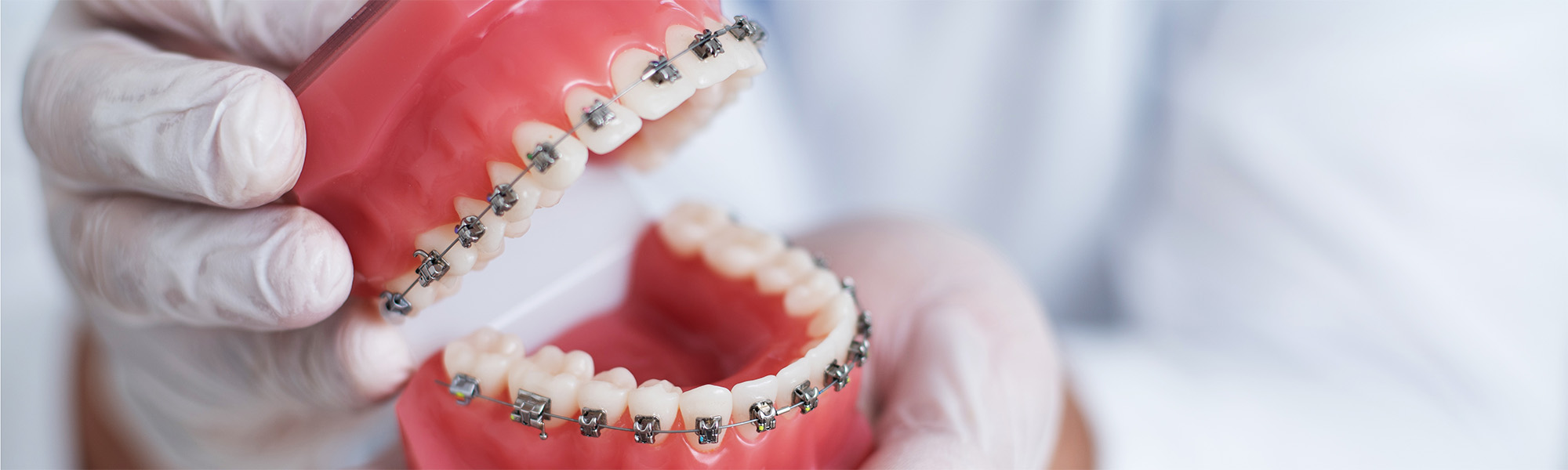
Metal braces consist of:
- Stainless steel brackets bonded to each tooth
- An archwire that connects the brackets
- Elastics or additional appliances when needed
This system allows orthodontists to control tooth movement in three dimensions. Adjustments can be made incrementally throughout treatment to refine alignment and bite position.
For complex cases, this level of control remains one of the key advantages of metal braces in Kitchener.
Precision in Tooth Rotation and Vertical Movement
Some tooth movements are more challenging than others. Severe rotations, vertical adjustments, and significant bite corrections require consistent mechanical force.
Metal braces excel in:
- Rotating severely twisted teeth
- Moving teeth vertically into the proper position
- Correcting deep bites and open bites
- Managing complex space closure
Because brackets are fixed to the teeth, they provide stable anchorage. This reduces reliance on patient compliance compared to removable systems.
When precision is critical, many dental professionals still rely on traditional braces to achieve predictable results.
Control Over Bite Alignment
Orthodontic treatment is not just about straightening teeth. Proper bite alignment is essential for long-term function, comfort, and oral health.
Complex bite issues may involve both the upper and lower arches. Metal braces allow for detailed adjustments to coordinate the bite over time.
This level of control can be especially important in cases involving:
- Severe overjet
- Asymmetrical alignment
- Jaw growth considerations in teens
A Dentist Kitchener patients consult for orthodontic guidance, will evaluate how your upper and lower teeth fit together before recommending treatment.
How Do Clear Aligners Compare?
Clear aligners have become increasingly popular for mild to moderate cases. They offer convenience and aesthetic appeal. However, their effectiveness depends heavily on consistent wear and case complexity.
While aligners can treat many orthodontic concerns, complex cases may require attachments, elastics, or even a combination of approaches. In some situations, braces provide more predictable control.
This does not mean aligners are ineffective. Rather, the choice depends on the severity of the case and the specific movements required.
Compliance and Treatment Predictability
Metal braces are fixed appliances. Once placed, they work continuously without requiring daily removal or reinsertion.
For teens and busy adults, this can be an advantage. Treatment does not rely on remembering to wear aligners for 20 to 22 hours per day.
In more complex cases, consistent force application supports steady progress and reduces the risk of treatment delays.
Durability and Strength
Metal braces are highly durable. They can withstand the forces needed to correct significant misalignment.
For patients with substantial crowding or complicated bite discrepancies, this durability contributes to reliable outcomes. The materials used in modern braces are smaller and more comfortable than older designs, making them easier to manage than many people expect.
Are Metal Braces Always Necessary for Complex Cases?
Not every complex case automatically requires traditional braces. Advances in orthodontic technology continue to expand treatment possibilities.
However, in many moderate to difficult situations, metal braces remain one of the most effective tools available. The final recommendation depends on:
- The severity of misalignment
- Jaw relationship
- Age and growth stage
- Patient preferences
- Oral health condition
A thorough consultation ensures the treatment plan matches your specific needs.
Long-Term Stability Matters
Orthodontic treatment should aim for lasting results. Accurate tooth positioning and proper bite alignment help reduce uneven wear, jaw strain, and future complications.
For many complex cases, metal braces in Kitchener continue to offer a high level of control that supports long-term stability.
Making the Right Choice for Your Smile
Choosing the right orthodontic option requires careful evaluation. While modern alternatives are appealing, traditional braces remain a reliable and highly accurate solution for many complex cases.
If you are considering orthodontic treatment and want personalized guidance, schedule a consultation at Frederick Dental. A trusted Dentist Kitchener residents rely on can assess your smile, explain your options clearly, and recommend the approach that offers the most precise and stable results for your unique case.